Bamiyan's Hidden Gems: Beyond the Buddha Niches
Everyone knows the famous cliff niches — but Bamiyan province holds so much more. Here's what most visitors miss.
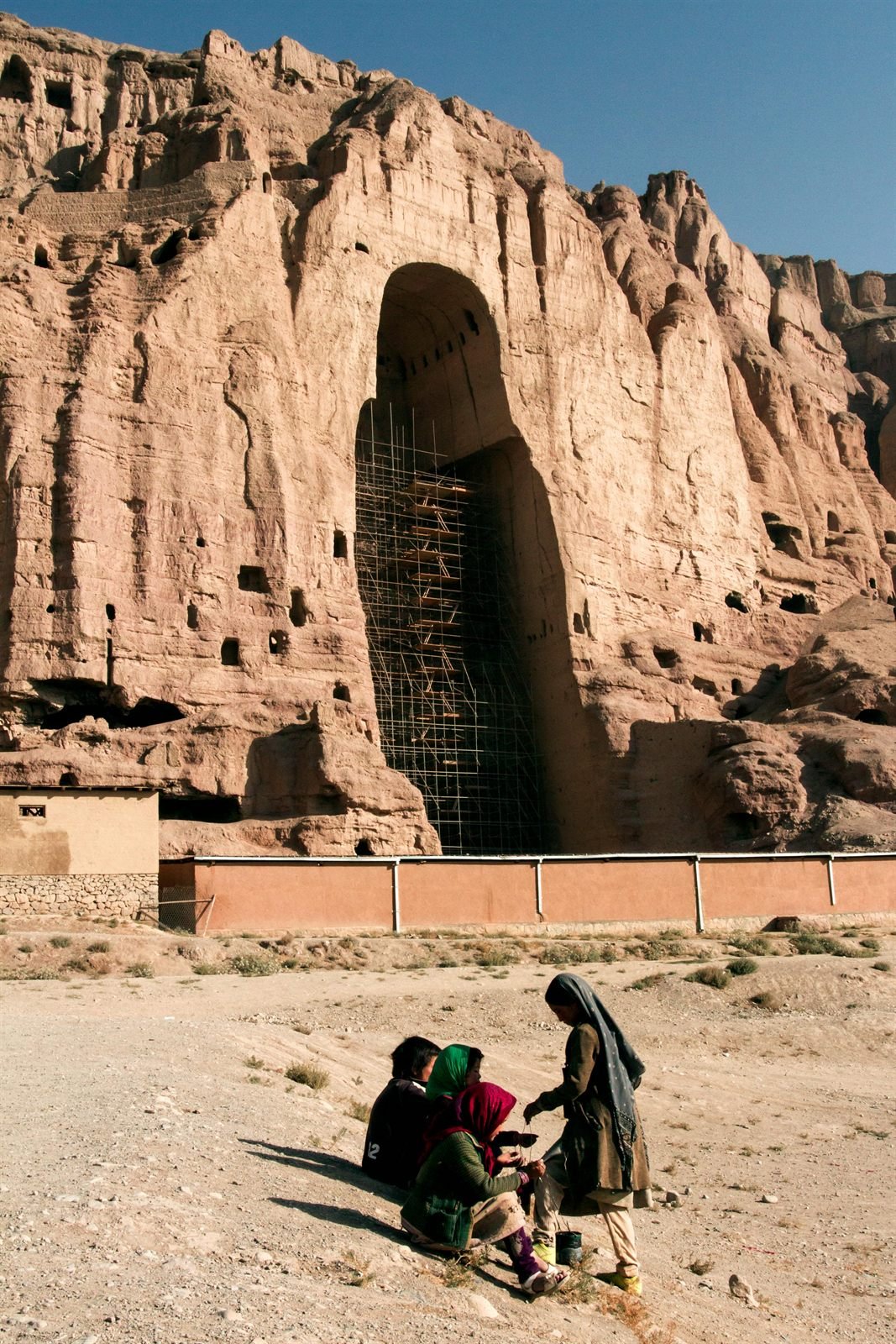
Bamiyan Valley sits at 2,500 meters in the heart of the Hindu Kush. Most people come for the famous Buddha niches — two massive alcoves carved into sandstone cliffs where colossal statues once stood. But spending only a day here means missing what makes Bamiyan truly special.
Band-e-Amir: Afghanistan's First National Park
About 75 kilometers west of Bamiyan town, six turquoise lakes sit behind natural travertine dams. The color is almost unreal — deep blue-green against red desert rock. Band-e-Amir became Afghanistan's first national park in 2009, and it remains one of the most photogenic places in Central Asia.
The drive takes about two hours on unpaved roads, but every minute is worth it. We recommend spending at least one full day here. Pack a lunch, bring layers (it gets cold even in summer), and bring your best camera.
Pro Tip
Visit Band-e-Amir in late spring (May-June) when snowmelt fills the lakes to their deepest blue. Mornings offer mirror-still water and the best photography light.
The Dragon Valley (Dara-e-Ajdahar)
Local legend says a dragon was slain here, its body forming the rocky ridge that runs through the valley. The geological formations are genuinely dramatic — layers of red and gold sedimentary rock twisted and folded by millions of years of tectonic activity. It's a short drive from Bamiyan town and almost never crowded.
Shahr-e-Zohak: The Red City
Perched on a rocky promontory where two rivers meet, the ruins of Shahr-e-Zohak glow red in the afternoon sun. This was once a fortified city guarding the entrance to Bamiyan Valley. Genghis Khan's grandson died trying to take it, which led to the complete destruction of Bamiyan in 1221. The ruins are hauntingly beautiful and the views from the top are panoramic.
The Cave Dwellers of Bamiyan
Hundreds of caves dot the cliffs around Bamiyan. Some were Buddhist monasteries, some were homes, and some are still inhabited today. With a local guide, you can explore cave systems that contain fragments of ancient paintings — some dating back 1,500 years. These are among the oldest oil paintings ever discovered.
Practical Information
- Best time to visit: May through October (roads may close in winter)
- Getting there: Domestic flight from Kabul (30 min) or overland (8-10 hours)
- Recommended stay: 3-4 days minimum
- Altitude: 2,500m — take it easy on day one
- Accommodation: Guesthouses in Bamiyan town (we arrange everything)
Ready to explore Bamiyan? Our Kabul-Bamiyan tour covers all these sites and more.
View Our ToursRelated Reading
- Tour Packages — See our Kabul & Bamiyan 7-day tour
- Is Afghanistan Safe? — Safety guide for travellers
- Afghan Cuisine Guide — What to eat in Bamiyan