Visit Kabul Afghanistan
A 3,500-year-old city where ancient heritage meets resilient modern culture. Your complete guide to travel in Kabul.
In short (TL;DR)
Kabul, Afghanistan's 3,500-year-old capital, sits at 1,800 metres in the Hindu Kush and is the country's cultural and historic heart. The top things to do in Kabul include the National Museum, the Gardens of Babur, and Chicken Street bazaar. The best time to visit is April to June and September to November. Go Kabul arranges guided travel with private transport, vetted accommodation, and full visa support.
Kabul at a glance — Quick Facts
Last updated: July 2026
Kabul: Afghanistan's Historic Capital
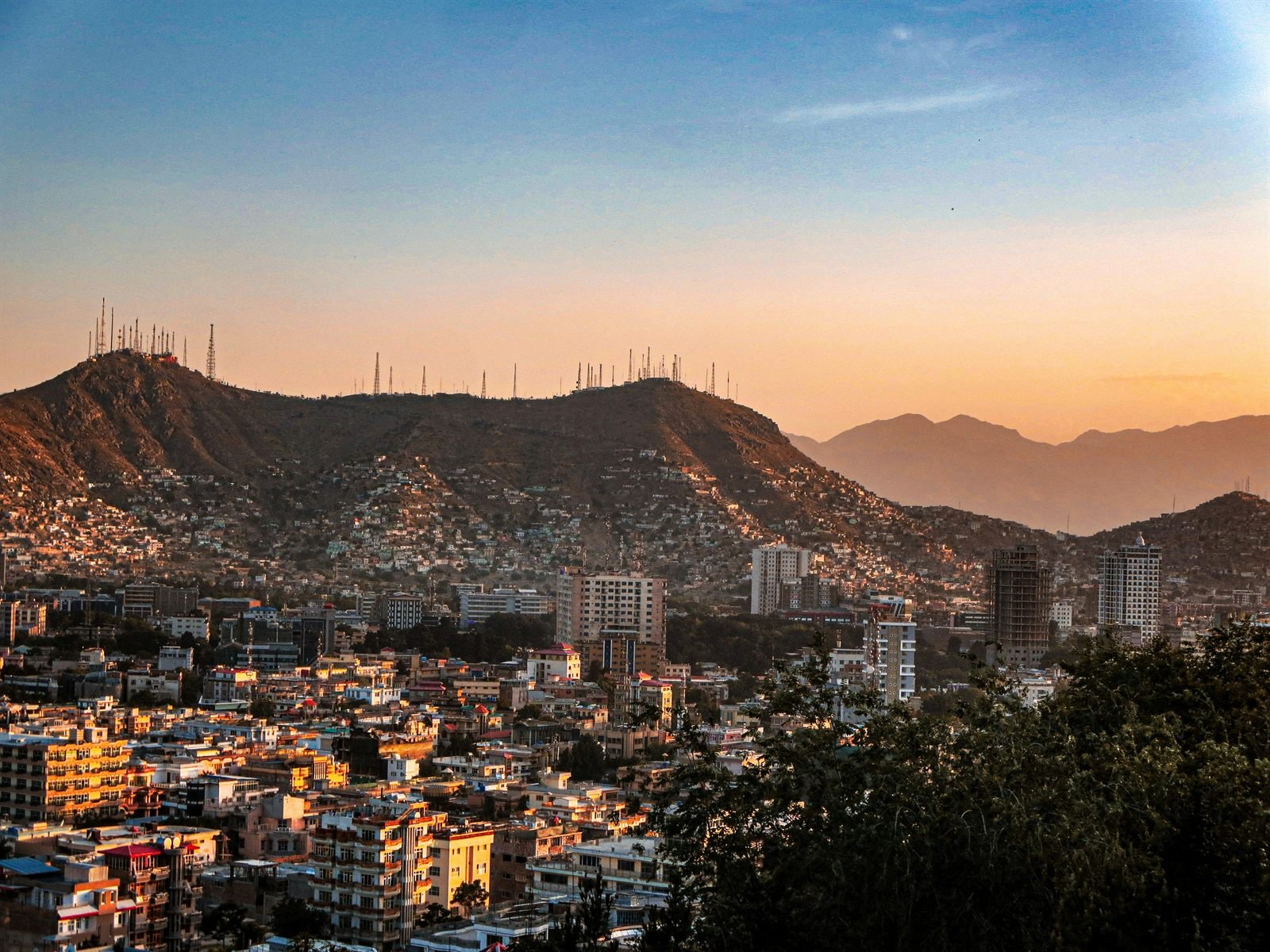
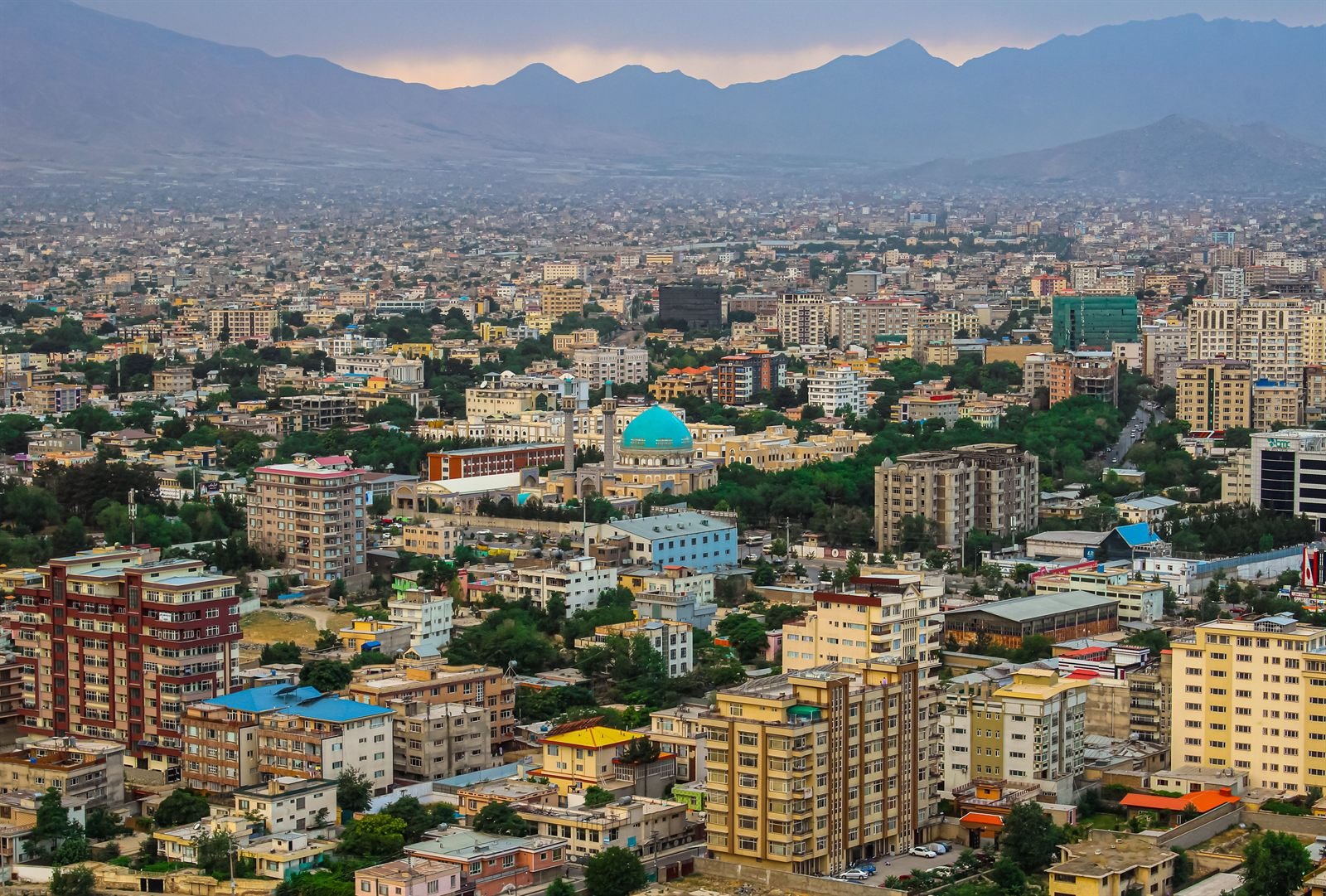
Kabul is a city unlike any other. Nestled in a narrow valley at 1,800 metres above sea level and surrounded by the dramatic peaks of the Hindu Kush, Afghanistan's capital is one of the highest capital cities in the world. For more than three millennia, Kabul has stood at the crossroads of Central and South Asia, serving as a vital stop on the ancient Silk Road. Today the city is home to roughly five million people, making it the cultural, economic, and political heart of Afghanistan. Travellers who make the journey here discover a destination of extraordinary depth: from world-class museums and Mughal-era gardens to bustling bazaars where vendors sell hand-knotted carpets, lapis lazuli jewellery, and fragrant Afghan spices.
What sets Kabul apart from other destinations is its raw authenticity. Tourism here is still in its early stages, which means you will not find crowds of sightseers or overpriced souvenir shops. Instead, you will experience genuine Afghan hospitality, share tea with shopkeepers who are eager to tell you about their craft, and walk through neighbourhoods where daily life unfolds exactly as it has for generations. The city's skyline is a striking mix of centuries-old mosques, Soviet-era apartment blocks, and newly built commercial centres, all framed by snow-capped mountains that turn golden at sunset. Whether you are drawn by history, culture, photography, or the simple thrill of visiting a place few travellers have seen, Kabul rewards the curious with memories that last a lifetime.
Top Things to Do in Kabul
Eight experiences that capture the soul of Afghanistan's capital, from ancient artefacts to panoramic mountain hikes.
National Museum of Afghanistan
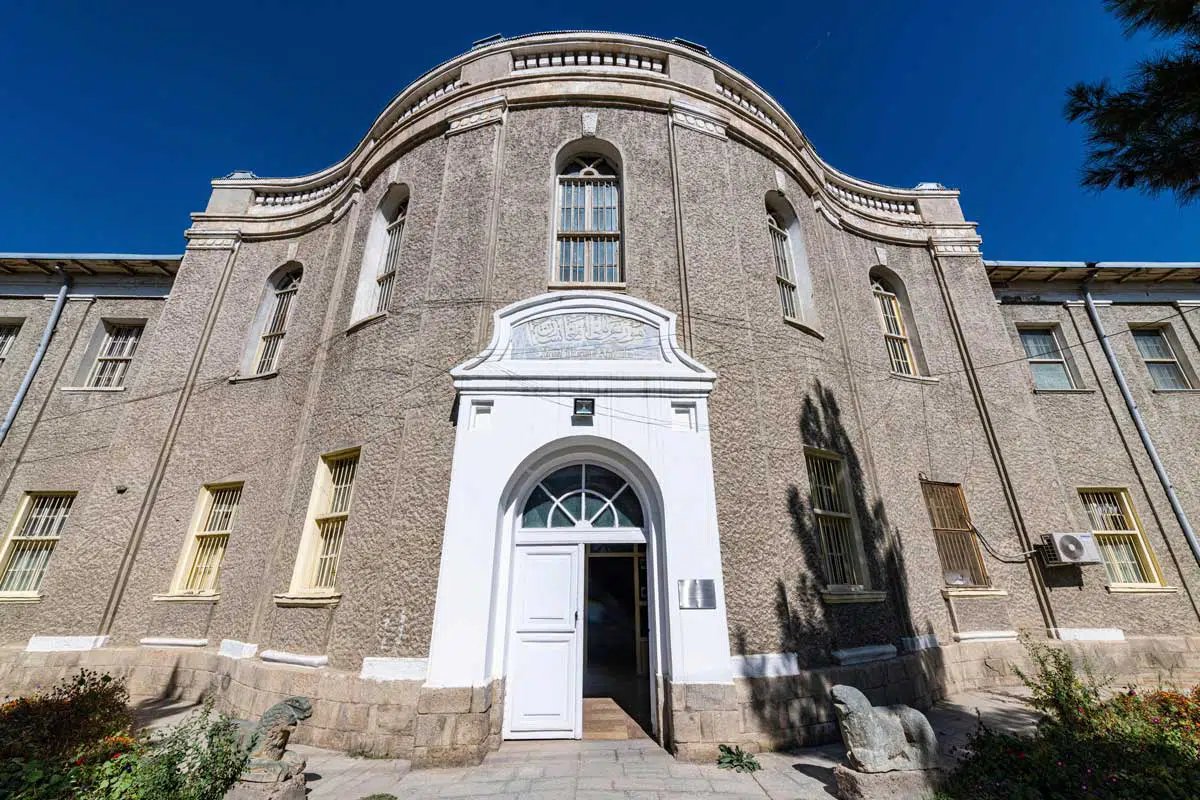
Home to over 100,000 artefacts spanning 50,000 years of history, the Kabul Museum is the single best introduction to Afghan heritage. Highlights include Gandharan Buddhist sculptures, Bactrian gold jewellery, Kushan-era coins, and Islamic calligraphy. The museum was heavily damaged during the civil war but has been painstakingly restored, and many pieces that were hidden by brave curators are now back on display. Allow at least two hours and hire a local guide for the full story behind each gallery.
Gardens of Babur
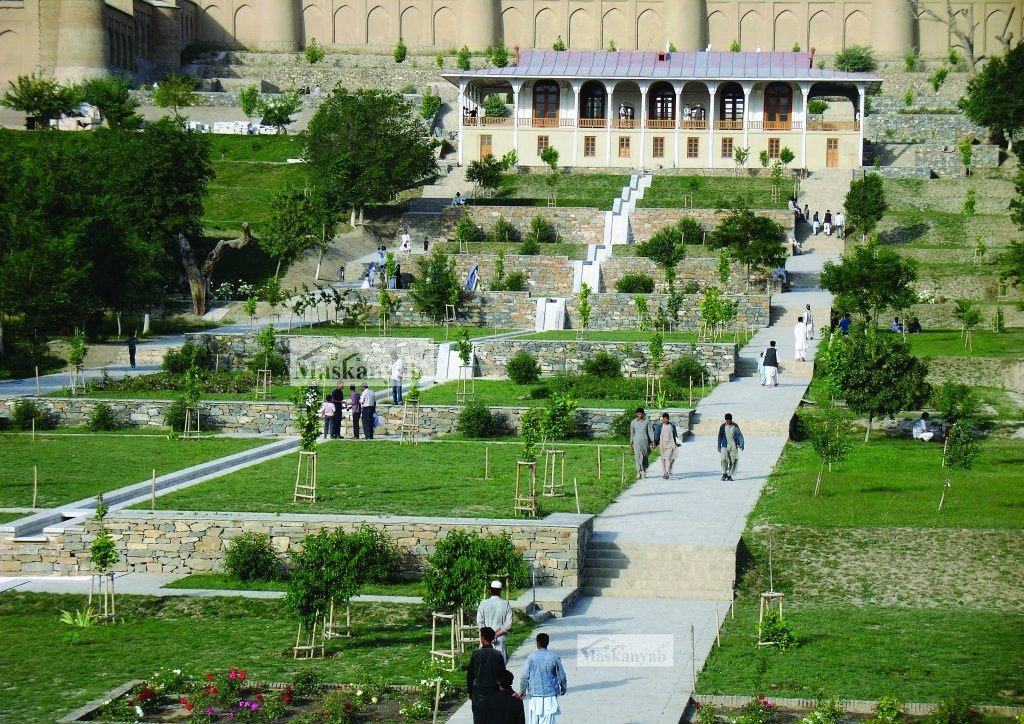
Built in the early 1500s by Emperor Babur, founder of the Mughal dynasty, these terraced gardens are Kabul's most beloved green space. Restored with the help of the Aga Khan Trust for Culture, the gardens cascade down a hillside in a series of stone terraces planted with roses, plane trees, and fruit orchards. At the top lies Babur's marble tomb, a place of quiet reflection with sweeping views over the city. Locals gather here on Fridays for picnics, kite-flying, and family outings, giving visitors an authentic slice of Kabul life.

Chicken Street Bazaar
Kabul's most famous shopping street has been attracting travellers since the 1960s and 1970s, when it was a legendary stop on the overland hippie trail. Today Chicken Street is lined with antique shops, carpet dealers, gemstone vendors, and handicraft galleries. You can find hand-woven Afghan war rugs, turquoise and lapis lazuli jewellery, embroidered textiles, and vintage Soviet memorabilia. Haggling is expected and part of the fun. The shopkeepers speak multiple languages and love sharing stories over cups of green tea.

Kabul Bird Market (Ka Faroshi)
Tucked into a narrow alley in the old city, the Ka Faroshi bird market is one of Kabul's most atmospheric spots. Hundreds of caged songbirds, pigeons, fighting partridges, and quails fill the air with a chorus of calls. Afghan men come here to trade birds, a hobby that has deep cultural roots in the region. Beyond the birds, the surrounding lanes are packed with spice merchants, dried fruit sellers, and tea stalls. It is a photographer's paradise and a window into traditions that predate the modern city by centuries.

Darul Aman Palace
This grand neoclassical palace was built in the 1920s by King Amanullah Khan as a symbol of Afghan modernisation. Situated on a hilltop roughly ten kilometres west of the city centre, Darul Aman Palace has survived fires, coups, and decades of war. Its bullet-scarred facade tells the story of Afghanistan's turbulent twentieth century. A major restoration project has returned much of the building to its original glory, and the surrounding grounds offer panoramic views of the Kabul Valley. It is one of the most photographed buildings in the country.

TV Mountain Hike
For the best views in Kabul, hike up to the television transmission tower on Koh-e-Asamai, known locally as TV Mountain. The trail starts near the city centre and climbs steeply through rocky terrain, rewarding you with a 360-degree panorama of the entire Kabul basin. On clear days you can see the snow-capped peaks of the Hindu Kush stretching to the horizon. The hike takes roughly one to two hours depending on your pace, and sunrise or sunset are the ideal times to make the climb. Your guide will ensure you take the safest and most scenic route.

Shah-e-Do Shamshira Mosque
One of the most visually distinctive mosques in Afghanistan, Shah-e-Do Shamshira translates to "Mosque of the King of Two Swords." Its bright yellow facade and European-influenced architecture set it apart from the mud-brick and stone mosques found elsewhere in the country. Located on the banks of the Kabul River near the city centre, the mosque is both a functioning place of worship and an architectural landmark. The interior features intricate tile work and Quranic calligraphy. Non-Muslim visitors are welcome outside prayer times with modest dress.

Kabul University Area
The neighbourhood surrounding Kabul University offers a glimpse into the city's intellectual life. Founded in 1932, the university campus is dotted with modernist buildings and shaded walkways. The surrounding streets are filled with bookshops selling titles in Dari, Pashto, English, and Arabic, along with affordable restaurants, juice bars, and student cafes. Walking through this area gives travellers a sense of the city's youthful energy and its deep commitment to education, even through decades of conflict. It is an excellent area for a leisurely afternoon stroll.
Practical Information
Best Time to Visit Kabul
The ideal months to travel to Kabul are April through June and September through November. Spring brings mild temperatures, blooming gardens, and clear mountain views, making it the most popular season for tourism. Autumn offers similar conditions with the added bonus of harvest festivals and golden foliage in the surrounding valleys. Summer (July to August) can be hot, with daytime temperatures reaching 35 degrees Celsius, though the low humidity makes it more bearable than tropical destinations. Winter (December to February) brings snow to the surrounding mountains and cold temperatures in the city, but it is a beautiful time for photography and the city is at its quietest. Regardless of when you visit, pack layers: the altitude means temperatures can drop sharply after sunset even in summer.
Where to Stay in Kabul
Kabul offers a range of accommodation options for international travellers. Most visitors stay in the Wazir Akbar Khan or Shahr-e-Naw neighbourhoods, where you will find well-equipped guesthouses and mid-range hotels with reliable Wi-Fi, hot water, and English-speaking staff. High-end options include the Serena Hotel, one of the few five-star properties in the country, which features traditional Afghan architecture, a spa, and international dining. For a more authentic experience, several locally run guesthouses offer comfortable rooms, home-cooked Afghan meals, and the chance to interact with Afghan families. All Go Kabul tours include accommodation in vetted, secure properties with 24-hour support.
How to Get to Kabul
Kabul is served by Hamid Karzai International Airport (IATA: KBL), located roughly 16 kilometres north of the city centre. Direct flights connect Kabul to Dubai (FlyDubai, Kam Air), Istanbul (Turkish Airlines, Kam Air), Islamabad (PIA), and Delhi (Kam Air). Flight times are approximately two and a half hours from Dubai and five hours from Istanbul. From the airport, Go Kabul provides private transfers directly to your hotel. There is no public rail service in Afghanistan, so all overland travel is by road. If you are combining Kabul with other Afghan destinations such as Bamiyan or Mazar-i-Sharif, domestic flights and private vehicle transfers are available. Our team handles all logistics so you can focus on the experience.
Explore Kabul with a Guided Tour
Our expert local guides bring the city to life with insider access, cultural context, and seamless logistics. Browse our Kabul tour packages.
Kabul Travel FAQ
Is Kabul safe to visit?
Kabul is visited on guided tours with experienced local operators who monitor conditions daily. Go Kabul provides private transport, vetted accommodation, and English-speaking guides throughout your stay. Independent travel is not advised, and the security picture changes, so contact us for the current situation before you plan your trip to Kabul.
What are the top things to do in Kabul?
Kabul's highlights include the National Museum of Afghanistan, the Mughal-era Gardens of Babur, the famous Chicken Street bazaar, the Ka Faroshi bird market, Darul Aman Palace, and a hike up TV Mountain for panoramic views. Most travellers spend two to three days seeing the city's museums, gardens, mosques, and markets.
How do I get to Kabul?
Kabul is served by Hamid Karzai International Airport (KBL), with direct flights from Dubai, Istanbul, Islamabad, and Delhi. There is no passenger rail in Afghanistan, so onward travel is by road or domestic flight. Go Kabul arranges airport pick-up, private transfers, and all in-country logistics for your trip.
When is the best time to visit Kabul?
The best time to visit Kabul is spring (April to June) and autumn (September to November), when days are mild and mountain views are clear. Summer is hot but dry, and winter brings snow and quiet streets ideal for photography. Pack layers, as the 1,800-metre altitude means temperatures drop sharply after sunset year-round.
Do I need a guide to visit Kabul?
Yes. Foreign visitors travel to Kabul on organised, guided trips rather than independently. A local guide handles permits, navigates the city safely, provides cultural context, and unlocks genuine access to bazaars, museums, and communities. Go Kabul includes private guides and drivers on every Kabul itinerary.
Related Pages
Plan the rest of your Afghanistan trip with these related destinations, tours, and travel guides.
Ready to explore Kabul?
Let us plan your trip. Private guides, secure transport, authentic experiences. Get in touch and we will build your perfect itinerary.
Plan My Trip