Visit Herat Afghanistan
The Pearl of Khorasan — where Silk Road grandeur, Persian poetry, and Timurid masterpieces converge in Afghanistan's most cultured city.
In short (TL;DR)
Herat, in western Afghanistan near the Iranian border, is the country's most cultured city — the Pearl of Khorasan. Its Timurid masterpieces include the Great Friday Mosque, the Citadel of Alexander, the leaning Musalla minarets, and the Gazar Gah shrine. The best time to visit Herat is April–May and September–October. Go Kabul runs guided trips here with local experts and full logistics.
Last updated: July 2026
Herat: Afghanistan's Silk Road Jewel
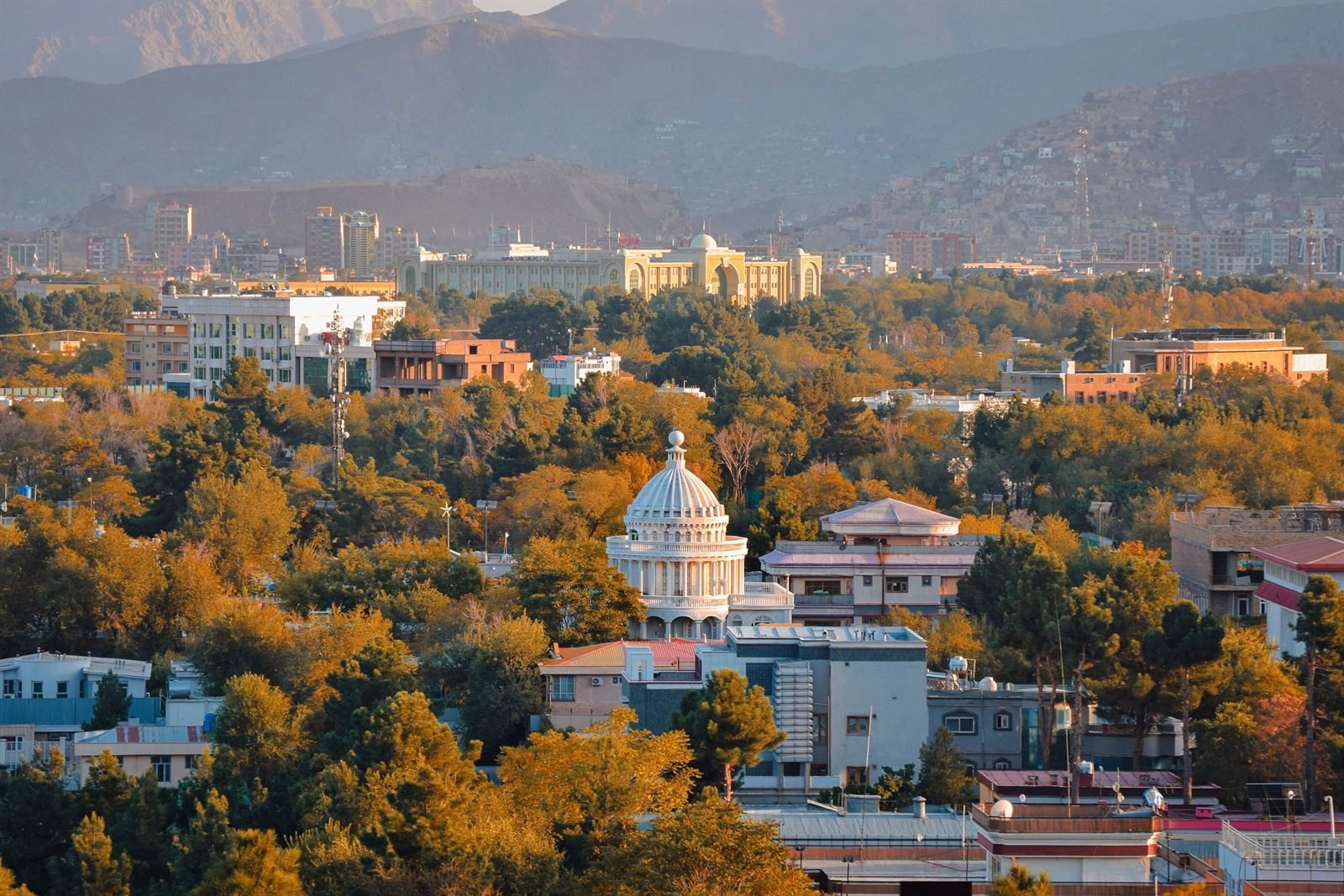
When travelers speak of Herat, they speak in superlatives. Afghanistan's third-largest city sits at the crossroads of ancient trade routes that once connected China to Rome, and the imprint of that extraordinary history is visible in every mosaic tile, every covered bazaar archway, and every whispered verse of Rumi's poetry that locals still recite from memory. To travel to Herat is to step into a living museum of Persian and Timurid heritage that has survived empires, invasions, and the relentless passage of three millennia.
Located in the fertile valley of the Hari Rud river in western Afghanistan, Herat has long been considered the cultural and intellectual capital of the region historically known as Khorasan. The city's strategic position made it a prize for every great conqueror — from Alexander the Great, who founded a citadel here in 330 BCE, to the Timurid dynasty, which transformed Herat into one of the most magnificent cities in the Islamic world during the 15th century. That Timurid golden age left behind an architectural legacy that still takes visitors' breath away today.
Unlike the rugged mountain landscapes of Bamiyan or the bustling modernity of Kabul, Herat tourism offers something distinctly different: a city where art, architecture, poetry, and hospitality have been refined over centuries into something approaching perfection. The air here is drier and warmer than in eastern Afghanistan, the light is softer, and the pace of life moves to the rhythm of ancient traditions that show no sign of fading. For anyone considering a visit to Afghanistan, Herat deserves a place at the very top of the itinerary.
The Friday Mosque (Masjid-e Jami)
No discussion of Herat's mosques can begin anywhere other than the Great Friday Mosque, or Masjid-e Jami, which stands as one of the most important and beautiful religious buildings in all of Central Asia. Dating back over 800 years to approximately 1200 CE, this mosque has been continuously expanded, restored, and embellished by successive rulers, each adding their own layer of artistic brilliance to the complex.
The tilework at Masjid-e Jami is nothing short of extraordinary. Intricate geometric and floral patterns in cobalt blue, turquoise, white, and gold cover virtually every surface of the mosque's interior courtyards and minarets. Much of this tilework has been painstakingly restored over recent decades, with local artisans using the same techniques their ancestors employed centuries ago. The Herat Tile Workshop, located within the mosque compound, is itself a remarkable place to visit — here you can watch craftsmen hand-cut and assemble thousands of tiny ceramic pieces into patterns of staggering complexity.
The mosque's main courtyard is vast and deeply peaceful. On Friday afternoons, hundreds of worshippers gather here, and the atmosphere is charged with a quiet reverence that transcends religious boundaries. Non-Muslim visitors are welcome outside of prayer times, and the custodians are often happy to share stories about the mosque's long history. Visit in the late afternoon when golden light catches the glazed tiles and the entire structure seems to glow from within — it is one of those rare travel moments that lodges permanently in memory.
Visitor Tip
The Friday Mosque is best visited between 9 AM and 12 PM or after 3 PM to avoid peak prayer times. Dress modestly — long sleeves and trousers for men, headscarf and loose clothing for women. Photography is generally permitted in the courtyards but ask permission before photographing worshippers.
Herat Citadel (Qala Iktyaruddin — Citadel of Alexander)
Rising dramatically above the old city, the Herat Citadel is one of Afghanistan's most iconic landmarks and a testament to the city's extraordinary strategic importance throughout history. The original fortress was built by Alexander the Great in 330 BCE, making this site over 2,300 years old. Since then, it has been destroyed and rebuilt countless times — by the Ghaznavids, the Ghurids, the Mongols, the Timurids, and the Safavids — each era leaving its architectural fingerprint on the massive walls and towers.
The citadel you see today dates primarily to the Timurid period of the 15th century, though archaeological excavations have revealed layers of construction stretching back to antiquity. The structure is enormous — its thick mud-brick walls tower above the surrounding streets, and its eighteen towers provide commanding views in every direction. Inside, a small but well-curated museum displays artifacts recovered from excavations, including Timurid-era pottery, coins from the Greco-Bactrian kingdom, weapons, and beautifully illuminated manuscripts.
From the top of the citadel walls, the panoramic view of Herat is unforgettable. To the north and east, the city's minarets punctuate the skyline. To the west, the Hari Rud river valley stretches toward the Iranian border. On clear days, the mountains that ring the Herat basin glow purple and amber in the late afternoon light. It is easy to understand why every great general who passed through this region wanted to control this spot.
The Musalla Complex and Timurid Minarets
The Musalla Complex represents both the pinnacle and the tragedy of Herat's architectural heritage. Built in the 15th century by Queen Goharshad, wife of the Timurid emperor Shah Rukh, the original complex was a sprawling ensemble of mosques, madrassas, and mausoleums that rivaled anything in Samarkand or Isfahan. It was considered one of the greatest architectural achievements of the Islamic world, a monument to the Timurid renaissance that made Herat a global center of art, science, and literature.
Sadly, most of the Musalla Complex was deliberately destroyed in 1885 by British military engineers who feared the Russians might use the buildings as fortifications. What remains are several soaring minarets — some leaning at dramatic angles but stubbornly refusing to fall — and the mausoleum of Goharshad herself, which retains fragments of the original tilework that once covered the entire complex. The surviving minarets, covered in intricate brickwork and glazed tile, are among the most photographed structures in Afghanistan and have become symbols of Herat's resilience.
UNESCO has been working on stabilization and conservation efforts for years, and the site is now protected. Standing at the base of these leaning towers, craning your neck to take in their full height, it is impossible not to feel a profound sense of what was lost — and an equally profound admiration for what still stands. The minarets are typically best seen in the morning, when the eastern light illuminates the tilework and the surrounding gardens are quiet.
Herat Bazaars: A Sensory Journey
The covered bazaars of Herat are among the oldest continuously operating markets in Central Asia, and walking through them is one of the great sensory experiences of travel in Afghanistan. The bazaar complex sprawls across dozens of interconnected lanes and courtyards near the Friday Mosque, each section dedicated to a particular trade or craft. The organization has remained largely unchanged for centuries — you move from the silk bazaar to the spice bazaar to the metalworkers' quarter to the carpet dealers' halls, each transition marked by a shift in color, scent, and sound.
Herat's glass-blowing workshops are a particular highlight. The Herati tradition of hand-blown glass dates back centuries, and watching artisans transform raw materials into delicate vessels of blue, green, and amber glass is genuinely mesmerizing. The workshops are typically located near the Friday Mosque, and craftsmen are generally happy to let visitors watch them work. The finished pieces — tea glasses, vases, ornamental bottles — make beautiful and lightweight souvenirs.
Silk weaving is another craft for which Herat has been famous since the Silk Road era. In the weavers' bazaar, you can watch families operating wooden handlooms, producing lustrous fabrics using techniques passed down through generations. Herati carpets are world-renowned among collectors — characterized by deep reds, navy blues, and extraordinarily intricate geometric patterns, they are hand-knotted by families who have been perfecting their craft for as long as anyone can remember. Even if you are not in the market for a carpet, watching the weavers work is fascinating.
The spice bazaar is an assault on the senses in the best possible way. Mountains of saffron (Herat province produces some of the finest saffron in the world), cumin, turmeric, cardamom, and dried rose petals line the narrow lanes. Vendors press samples into your hands and engage you in animated conversation about the merits of their particular blend. Herati saffron, in particular, has won international awards and makes an exceptional gift to bring home.
Gazar Gah: The Shrine of Khwaja Abdullah Ansari
Located on the northeastern outskirts of Herat, the shrine complex of Gazar Gah is one of the most spiritually significant sites in Afghanistan. It is the final resting place of Khwaja Abdullah Ansari (1006-1088 CE), a revered Sufi saint, poet, and scholar whose works on mysticism and devotion are still widely read across the Persian-speaking world. The shrine has been a place of pilgrimage for nearly a thousand years, and the atmosphere of quiet devotion that pervades the complex is deeply moving.
The architecture at Gazar Gah is stunning. The main gateway and the surrounding structures feature some of the finest examples of Timurid decorative art in Afghanistan — intricate marble carving, calligraphic inscriptions, and geometric tilework that rivals anything at the Friday Mosque. The surrounding cemetery contains the graves of numerous notable figures from Herat's history, and the landscaped gardens provide a peaceful retreat from the bustle of the city center.
Visitors of all faiths are welcome at Gazar Gah, and the custodians are typically happy to share the history of the shrine and the teachings of Ansari. The site is particularly atmospheric in the early morning or at sunset, when the light filtering through the carved marble screens creates patterns of extraordinary beauty on the interior walls. For travelers interested in the spiritual and literary traditions of the Persian world, Gazar Gah is an essential stop.
Herati Cuisine: Flavors of the Silk Road
Herat's food reflects its position at the crossroads of Persian, Central Asian, and Afghan culinary traditions, and eating your way through the city is one of the great pleasures of a visit. The strong Persian influence is immediately apparent — Herati cuisine makes liberal use of saffron, dried fruits, nuts, and aromatic herbs that give the food a sophistication and subtlety distinct from the heartier fare of Kabul or the Pashtun south.
Among the dishes you should not miss: Shola-e Goshti, a rich and warming stew of rice, mung beans, and lamb seasoned with a blend of spices unique to the region. Herati Kebab is famous throughout Afghanistan — the meat is marinated in a saffron-and-yogurt mixture before being grilled over charcoal, resulting in an extraordinarily tender and aromatic dish typically served with freshly baked naan and a sharp green chutney. Firni, a delicate milk pudding flavored with cardamom and rosewater, is the quintessential Herati dessert and the perfect end to a meal.
Tea culture in Herat deserves special mention. The city's tea houses (chaikhanas) are social institutions, and sitting in one of these establishments drinking green tea flavored with cardamom while watching the world pass by is one of the most authentically Herati experiences a traveler can have. Your guide will know the best local spots — the ones frequented by poets, merchants, and storytellers who carry on a tradition of conversation and hospitality that stretches back centuries along the Silk Road.
Must-Try Herati Foods
Shola-e Goshti — lamb and mung bean rice stew with regional spices. Herati Kebab — saffron-yogurt marinated lamb, charcoal grilled. Bolani — stuffed flatbread with leeks or potato. Firni — rosewater and cardamom milk pudding. Herati Saffron Tea — green tea infused with local saffron.
Practical Information for Visiting Herat
Planning your travel to Herat requires some preparation, but the logistics are straightforward with the right support. Here is what you need to know before you go.
- Getting There: Herat International Airport (HEA) receives domestic flights from Kabul, with the journey taking approximately one hour. Overland travel from Kabul is possible but long (10-12 hours by road via Highway 1). The airport is located about 13 km south of the city center.
- Climate: Herat is drier and warmer than Kabul, with hot summers (35-40 C) and mild winters. The best months to visit are April to May and September to October, when temperatures are comfortable for sightseeing (20-28 C).
- Altitude: At 920 meters above sea level, Herat sits considerably lower than Kabul (1,800 m), so altitude sickness is not a concern here.
- Recommended Stay: A minimum of 3 days to cover the major sites. 4-5 days allows for a more relaxed pace with time to explore the bazaars, visit outlying sites like Gazar Gah, and soak in the local atmosphere.
- Language: Dari (Afghan Persian) is the primary language of Herat. English is not widely spoken, so traveling with a local guide is essential.
- Currency: Afghan Afghani (AFN). Cash is king — bring US dollars to exchange locally. ATMs are unreliable.
- Safety: Herat is generally considered one of the safer major cities in Afghanistan. As with all Afghan travel, going with an experienced local tour operator is strongly recommended.
- Dress Code: Conservative dress is expected throughout the city. Women should wear a headscarf and loose-fitting clothing. Men should wear long trousers and shirts with sleeves.
Herat Travel FAQ
Is Herat safe to visit?
Herat is generally considered one of the safer major cities in Afghanistan and features on many guided itineraries. Go Kabul travels here with experienced local guides, private transport, and vetted hotels. As with all Afghan travel, the situation can shift, so contact us for the latest security update before you book.
What is there to see in Herat?
Herat's highlights are the Great Friday Mosque (Masjid-e Jami) with its restored tilework, the Citadel of Alexander, the leaning Timurid minarets of the Musalla complex, the Gazar Gah shrine, and the covered bazaars famous for glass-blowing, carpets, and saffron. Allow at least three days to see the city properly.
How do I get to Herat?
Herat International Airport (HEA) receives domestic flights from Kabul, taking about one hour. The overland drive from Kabul is long, roughly 10 to 12 hours by road. There is no passenger rail. Go Kabul arranges flights or private vehicle transport, guides, and accommodation for your Herat trip.
When is the best time to visit Herat?
The best time to visit Herat is April to May and September to October, when temperatures are a comfortable 20 to 28 degrees Celsius. Summers are hot and dry, 35 to 40 degrees, and winters are mild. At 920 metres, Herat sits lower than Kabul, so altitude is not a concern.
What is Herat famous for?
Herat is famous as the Pearl of Khorasan, a centre of Persian poetry, Timurid architecture, and Silk Road craftsmanship. It is renowned for hand-blown glass, hand-knotted carpets, and some of the world's finest saffron, grown in the surrounding province. Its restored monuments rank among Afghanistan's cultural treasures.
Tours That Include Herat
Herat is featured in several of our guided tour packages. Each tour includes accommodation, meals, expert English-speaking guides, and all transport within Afghanistan.
- 10-Day Northern Route Tour — Covers Kabul, Mazar-i-Sharif, Bamiyan, and Herat
- Custom Private Tour — Design your own itinerary with Herat as a highlight
If you are interested in a tour focused specifically on Herat and western Afghanistan, contact us to discuss a custom itinerary tailored to your interests and schedule.
Ready to Visit Herat?
Let us plan your journey to the Pearl of Khorasan. Expert guides, local knowledge, and unforgettable experiences.
Plan My TripRelated Reading
- All Destinations — Explore 13+ Afghan destinations
- Blog: Herat, The Pearl of Afghanistan — In-depth feature article
- Is Afghanistan Safe? — Safety information for travelers
- Tour Packages — Tours that include Herat