Afghan Cuisine: Every Dish Has a Story
From fragrant kabuli pulao to spiced mantu dumplings to street kebabs — Afghan food is a journey through centuries of Silk Road trade.
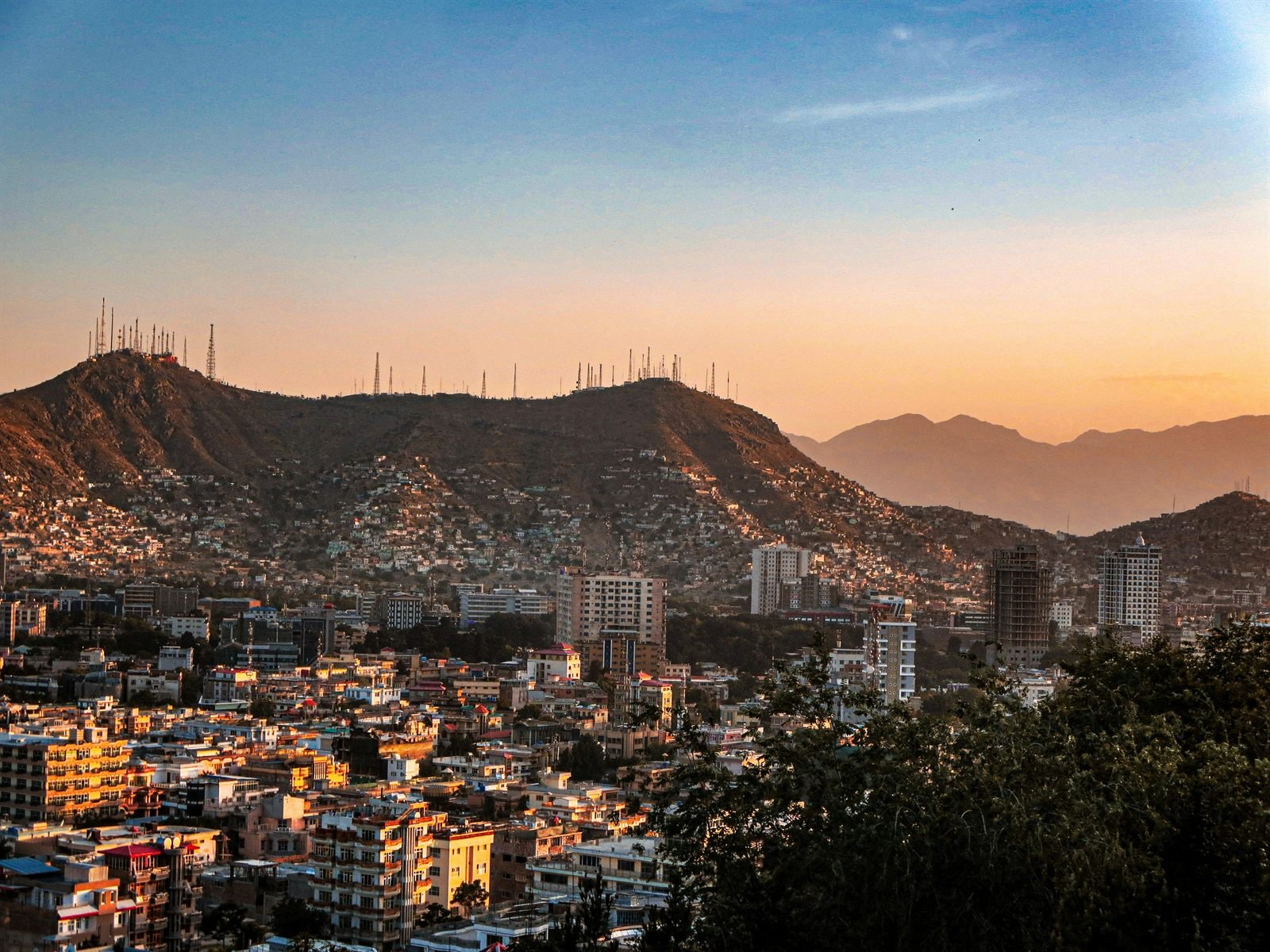
Afghan cuisine sits at the crossroads of Central Asia, South Asia, and the Middle East. Every dish carries centuries of influence — Persian saffron, Indian spices, Central Asian dumpling traditions, and the hospitality culture that makes every meal an event. If you've only ever had Afghan food at a restaurant abroad, you're in for a revelation.
Kabuli Pulao: The National Dish
Kabuli pulao is more than just rice. Long-grain basmati is steamed with lamb, carrots, raisins, and cardamom until each grain is separate and fragrant. The dish originated in Kabul (hence the name) and varies by region — some add pistachios, others use chicken. It's served at every celebration: weddings, births, homecomings. When an Afghan family serves you pulao, they're welcoming you as family.
Mantu: Silk Road Dumplings
These beef-filled dumplings are steamed and served with a split lentil sauce (dal) and yogurt-garlic topping. Mantu tells the story of Afghanistan's position on the Silk Road — the dumpling tradition travelled from China through Central Asia and transformed along the way. Making mantu is a communal activity; families gather to fold hundreds of dumplings together.
Kebab Culture
Afghan kebabs are different from anything you've had before. Chapli kebab (flat, spiced, pan-fried patties) is a specialty of the eastern provinces. Seekh kebab (ground lamb on skewers) is everywhere. Tikka kebab (marinated chunks of lamb or chicken) is charcoal-grilled in every bazaar. The best kebab in Kabul? Ask your guide — every local has a strong opinion.
Bolani: Afghan Street Food
Thin flatbread stuffed with potatoes, leeks, or pumpkin, then pan-fried until crispy. Bolani is the ultimate Afghan street food — cheap, filling, and utterly delicious. You'll find bolani vendors on nearly every corner in Kabul. Eat it with chutney (green cilantro or red tomato) and a glass of chai.
Chai: More Than a Drink
Tea in Afghanistan is a social ritual. Green tea (chai sabz) is served in most of the country; black tea with cardamom and sugar (chai siah) is more common in eastern regions. Refusing tea is considered rude. Every meeting, every negotiation, every friendship starts with chai. You'll drink more tea in one week in Afghanistan than in a month at home.
What to Try First
On your first day in Kabul, ask your guide to take you to a local restaurant for kabuli pulao and kebab. For breakfast, try eggs with fresh naan from a tandoor oven. For dessert, firni (milk pudding with cardamom and pistachios) is unmissable.
Dietary Notes for Travellers
- All meat in Afghanistan is halal
- Vegetarian options exist but are limited — tell your guide in advance
- Bread (naan) is served with every meal and is always fresh
- Tap water is not safe to drink — stick to bottled water (we provide it)
- Street food is generally safe but follow your guide's recommendations
Experience Afghan cuisine firsthand. Every Go Kabul tour includes authentic local meals.
View Our ToursRelated Reading
- Destinations — Where to find the best food
- Herat Guide — Herat's famous cuisine scene
- Sarah's Story — A traveller's food experience